
Multi-CityRoadshows
What This Charter Is
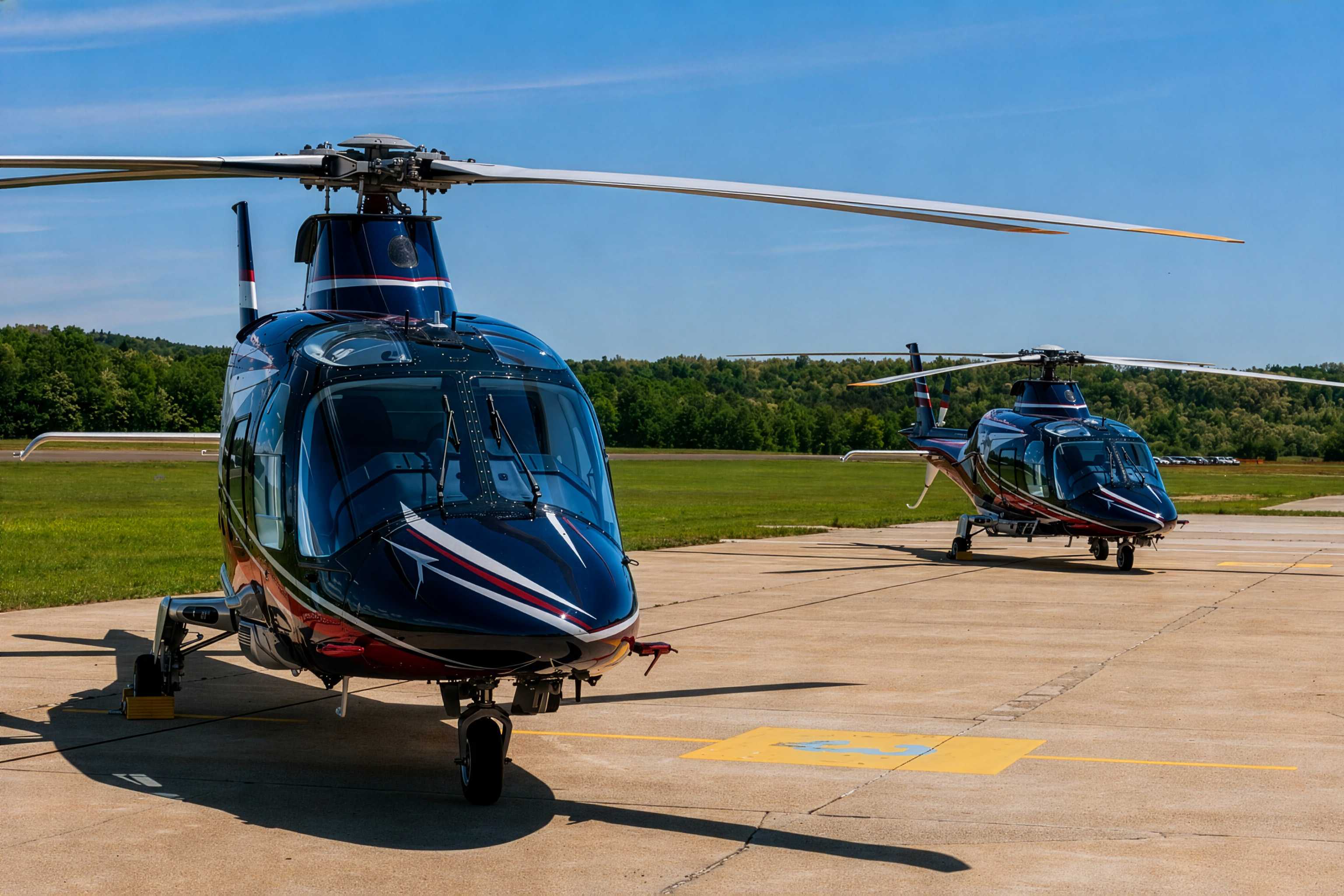
A roadshow charter is a dedicated-aircraft day: one helicopter and one crew stay with your party through three, four, or five stops, usually inside a single day, occasionally across two or three. The aircraft does not drop you and leave. It holds on the ground while you meet, tour, or present, then lifts you to the next appointment. At day’s end it takes you home, or to the hotel that starts tomorrow’s leg. The arrangement exists to protect one thing: a sequence of fixed commitments, each of which depends on making the one before it.
Contrast that with a series of separate point-to-point charters: separate aircraft, separate crews, separate positioning legs, and a schedule that unravels at the first delay. For business flying without the multi-stop sequencing, see Corporate & Executive Travel.
Who Uses It and Why
Investor relations teams are the classic customer: a CFO presenting to analysts in three cities between breakfast and dinner. Operations executives and deal teams use the same pattern for multi-plant tours, site inspections, and target visits. The common thread is fixed appointments ground transport cannot connect: meetings that cannot move, in cities hours apart by road, with airline schedules that do not exist or do not fit. The helicopter converts dead transit hours into short, predictable legs on the party’s clock rather than a carrier’s.
How a Typical Flight Works
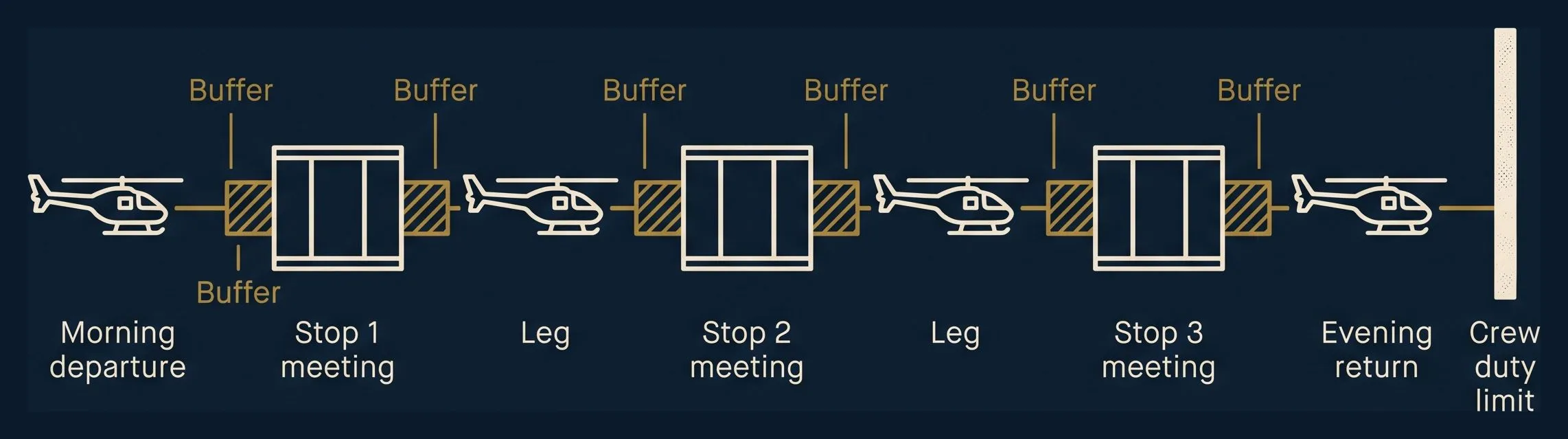
The itinerary is built backward from the fixed appointments. Start with the meeting times that cannot move, work out the latest departure from each stop that still lands you at the next one early, then add buffer on top of that, not inside it. What comes out is a sequenced day: a morning departure timed to land before the first meeting; ground time at each stop while the crew waits at the helipad or a nearby FBO; short hops between stops, often under an hour; and an evening return, or a leg to wherever the party overnights.
Buffers are planned slack, not delays. The space between a scheduled landing and the meeting it serves absorbs what always happens: a headwind leg, a slow ground transfer, a meeting that runs long. On a smooth day the buffer is time at the FBO instead of in the air; on a rough one it keeps the rest of the day intact.
The crew’s duty day is a hard wall. FAA flight- and duty-time rules under Part 135 cap how long a crew can be on duty, and the itinerary is built inside that window from the moment the crew reports, not from first takeoff. The exact numbers depend on the crew configuration the operator is flying, so ask where your day sits against the limit. If the itinerary is tight against the limit, the operator will say so at the planning stage; the options are an earlier start, fewer stops, an overnight, or a crew swap partway through. Part 135 itself is covered in FAR Part 135 for Charter Customers in Plain-English.
When weather takes out a leg, the day degrades according to a plan agreed in advance. The party waits out a passing cell inside the buffer; if the window does not open, the options in rough order are a ground transfer for that leg while the aircraft repositions, dropping a stop to protect the appointments that matter most, or ending the flying day early and finishing by road. Go/no-go decision points are set at planning time, so the calls are made calmly, not on a helipad.
Aircraft Typically Used
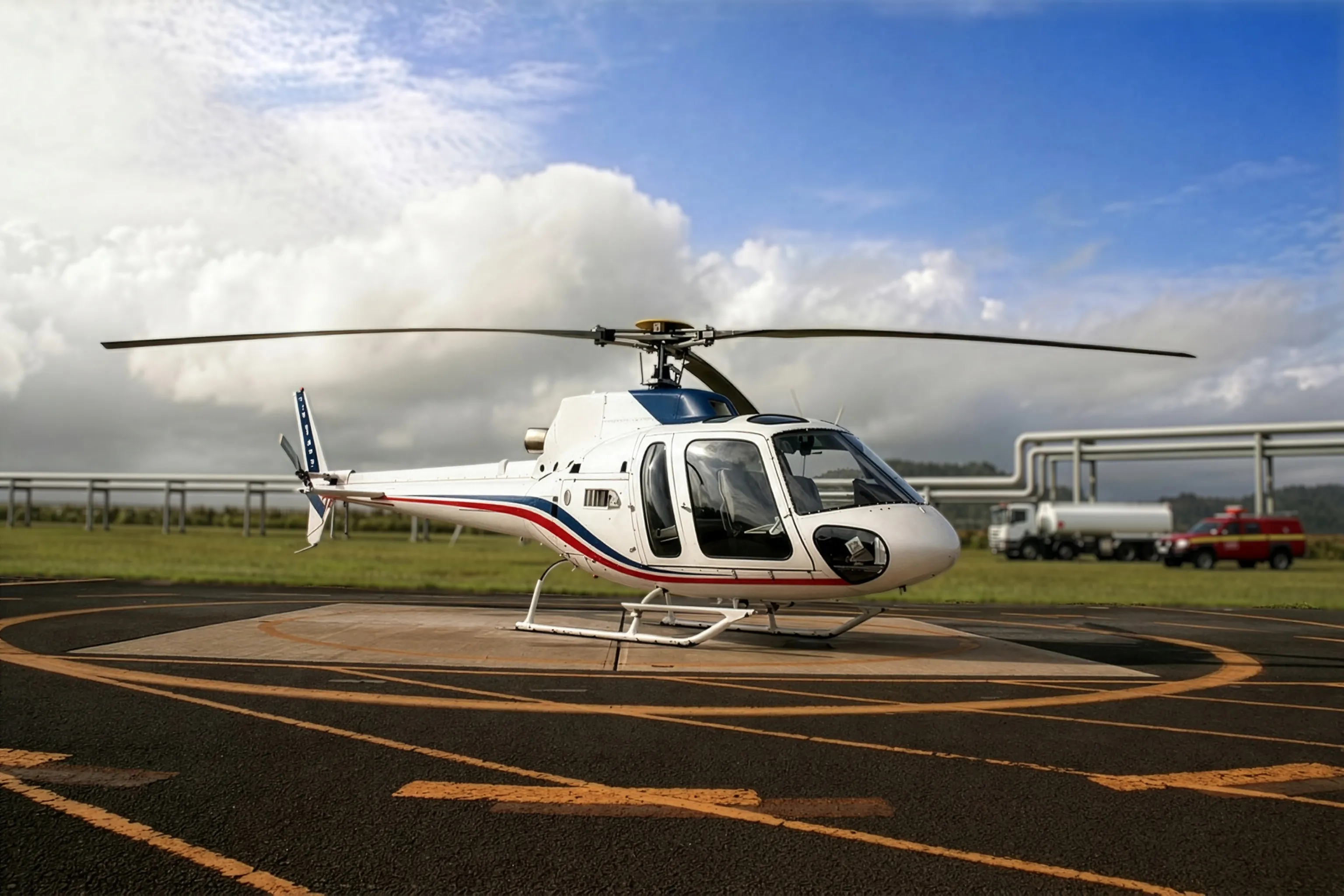
Start from the two attributes a roadshow day actually taxes, neither of which matters much on a single transfer leg: range between stops without refueling, because a fuel stop is a schedule event, and two-pilot, instrument-capable operation, because a five-stop day cannot afford to be fair-weather-only. Both push roadshow work to the twin-engine executive classes. Light twins in the A109 class carry four to six passengers with day luggage, the workhorse for parties of two to four. Medium twins in the AW139 and S-76 class carry six to eight in a roomier, quieter cabin with more baggage volume. A light single can fly short hops for two or three travelers, but its weather margins, luggage limits, and single-pilot duty constraints make it a compromise on a day this dependent on every leg flying. The class trade-offs are laid out in the Helicopter Class Comparison Guide.
Planning Considerations
Weather
Weather risk multiplies with leg count: a five-leg day has five chances to be grounded, and the forecast can deteriorate mid-itinerary. Buffer strategy and the contingency ladder matter more here than raw aircraft capability. Seasonal and day-of patterns are covered in Weather, Delays & Scheduling FAQ.
Landing Sites
Every stop needs a confirmed place to land before the day is real. City heliports, corporate helipads, and airport FBOs are the usual answers; some plants have their own pads, some do not. Landing rights, operating hours, and ground transport from pad to meeting room are confirmed stop by stop, the most time-consuming part of roadshow planning. See Heliports & Landing Zones.
Luggage and Catering
Your bags ride with the aircraft all day, staying aboard during stops or unloaded at the overnight point. That convenience has a ceiling: a full passenger load plus a day of luggage and presentation cases pushes against a light twin’s weight and baggage limits, so give the operator an honest bag count. Catering is brought aboard, not served in flight: charter helicopters have no galley, and meals are ordered through the operator or the FBO and loaded before departure.
Lead Time
Roadshows are among the most planning-intensive charters an operator flies. A week or more of lead time lets the operator confirm landing sites, build honest buffers, and flag duty-time problems while they are cheap to fix. Short-notice roadshows are flown regularly, but inherit whatever constraints the calendar already holds.
When a Helicopter Is the Wrong Answer
Two patterns deserve candor. First, a tight same-day, multi-stop schedule in a poor-weather season: five immovable appointments plus a week of low ceilings means the helicopter subtracts reliability rather than adding it, and a road itinerary with overnight spacing is the honest plan. Second, city pairs with strong scheduled airline shuttle service: where flights leave every hour and the airports sit close to the meetings, the shuttle often beats a chartered helicopter on reliability and cost. Charter the aircraft when the ground legs are the risk and the schedule is yours to protect; do not charter it to feel efficient.
Cost Factors
The variables behind any charter quote are laid out in What a Charter Costs: Framework, Not Quotes. What shapes a roadshow quote specifically: a dedicated day is usually priced against a minimum daily flight-time commitment rather than the hours actually flown, so ask what that minimum is before comparing two operators. Positioning legs to your first stop and back from your last count as flying. The crew’s duty day bounds the schedule, and a multi-day roadshow adds crew lodging, meals, and aircraft overnight fees.
Frequently Asked Questions
How many stops can one day realistically hold?
Most roadshow days run three to five stops. The binding constraints are rarely the flying; they are the ground time your meetings need, the buffers the weather margin demands, and the crew’s duty limit. A good operator will say when a sixth stop is optimism, not an itinerary.
Does the helicopter wait at each stop?
Yes, and that is the point of the charter. The crew uses ground time to refuel, watch the weather, coordinate the next landing site, and rest within duty rules. You return to a ready aircraft, not a new one.
What happens if a meeting runs long?
The day absorbs it from the buffers, and the dispatcher re-sequences downstream stops if the slip is large. Chronic overruns eventually press against the crew’s duty limit, where the contingency options agreed at planning time take over.
Related Charters
- Corporate & Executive Travel: the broader case for business charter.
- Site Visits & Facility Tours: the single-destination version, out to one site and back.
- VIP & Discreet Travel: when privacy and low-profile handling drive the booking.
- Airport Transfers: connecting an airline flight to the start or end of the day.
- Hotel Transfers: the overnight hotel leg of a multi-day roadshow.
- Executive & Business Charters: how the executive charters differ and which one fits your trip.